
Sarees
Why Investing in Handloom Is Smarter Than Buying Fast Fashion
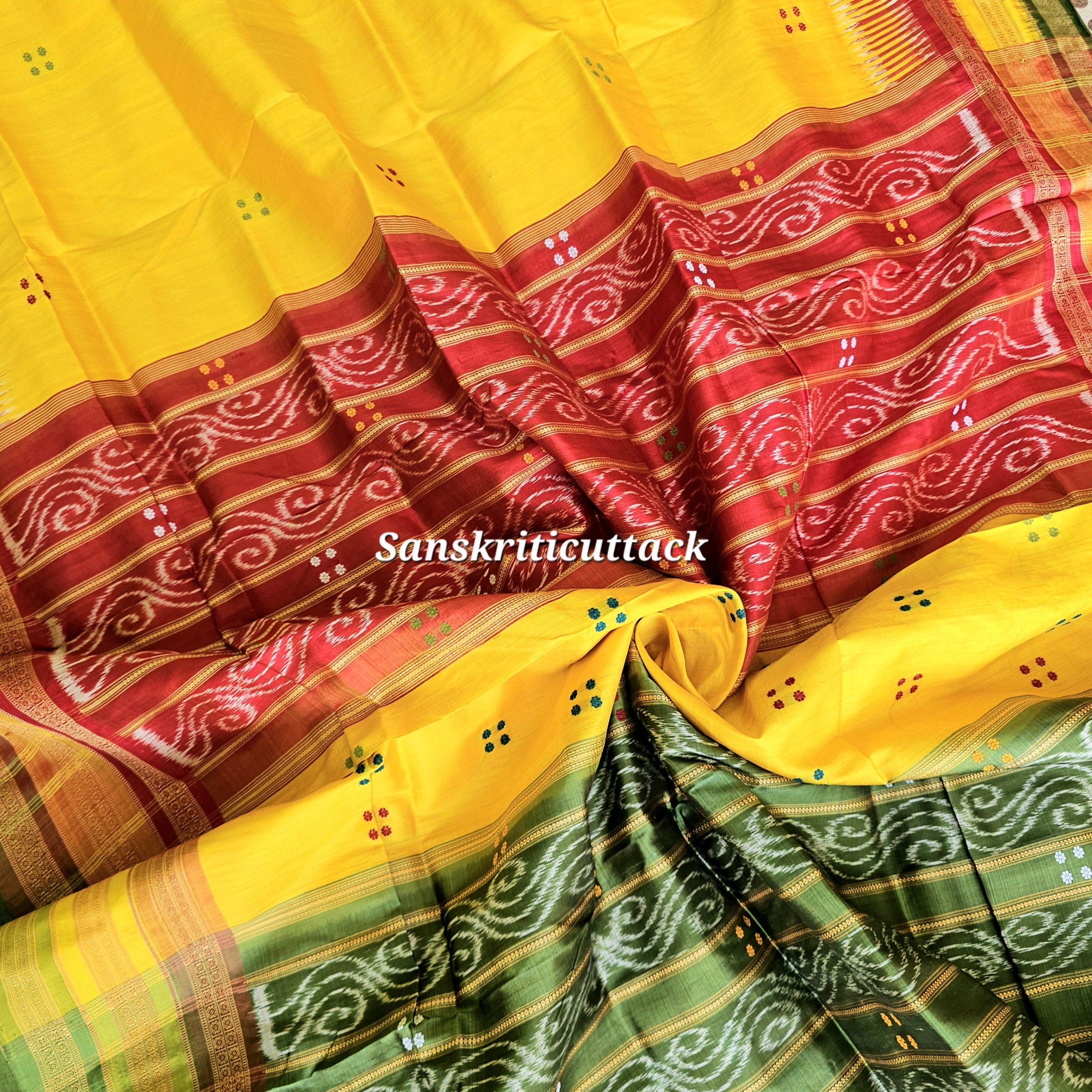
Every purchase tells a story about your values. The clothes you choose speak before you do. They reveal whether you prefer convenience or consciousness. They show whether you chase trends or build legacy.
Fast fashion thrives on urgency and impulse. It persuades you to buy quickly and replace often. New arrivals appear weekly, sometimes daily. Trends rotate so fast that last month’s outfit feels outdated.
Handloom works differently. It asks for patience. It invites appreciation. It rewards those who understand the beauty of craft and time.
Investing in handloom is not only a fashion decision. It is a lifestyle choice rooted in awareness. It reflects respect for artisans, sustainability, and enduring quality. When you choose handloom sarees over fast fashion, you choose substance over surface.
At Sanskriti Cuttack, we see handwoven sarees as long-term companions rather than seasonal purchases.
Shop with Us Here
Find Your Perfect Odisha Handloom Sarees Here
Grab Your Tussar Silk Sarees Now
Shop Now for Luxurious Silk Sarees
Experience the Elegance of Khandua Sarees Here
Discover Our Impressive Ikat Saree Collection Now
Browse Exquisite Sambalpuri Sarees Here
Upgrade Your Wardrobe with Trendy Kotpad Sarees
Shop Exclusive Dolabedi Sarees Now
Understanding the Real Cost of Fast Fashion
Fast fashion appears affordable at first glance. The price tags seem attractive and accessible. However, the real cost often hides beneath that initial excitement.
Most fast fashion garments use low-grade fabrics. These materials stretch, shrink, or fade quickly. After a few washes, the garment loses its original shape. Seams weaken and colors dull.
This cycle encourages repeated buying. You replace pieces frequently because they fail to last. Over time, the money spent on replacements exceeds the cost of one quality garment.
Fast fashion also depends heavily on mass production. Machines produce thousands of identical pieces daily. The process prioritizes speed and quantity over durability. Individual craftsmanship rarely enters the equation.
When you compare fast fashion vs handloom, the difference becomes clear. One promotes volume. The other values longevity.
What Makes Handloom a True Investment
A handloom saree carries intention in every thread. Skilled artisans guide each movement of the loom. They control tension manually and adjust patterns with precision.
This human involvement creates strength and character. A pure cotton handloom saree maintains its structure even after years of use. A silk handloom saree India often becomes an heirloom, treasured across generations.
Handloom weaving does not rush production. Artisans focus on quality at every stage. They prepare yarn carefully. They align patterns thoughtfully. They finish edges with attention.
When you invest in handloom, you invest in durability. You also invest in emotional value. A handwoven saree often holds memories of celebrations, milestones, and gatherings. It becomes part of your story.
Authentic handwoven sarees offer both functional and sentimental returns.
Craftsmanship Over Convenience
Convenience drives fast fashion. Brands move designs from sketch to store shelves within weeks. This rapid pace leaves little room for refinement.
Handloom weaving follows a slower rhythm. Artisans work patiently, often taking days or weeks to complete one saree. The loom responds to their hands and feet rather than automated systems.
Traditional Indian textiles from regions like Odisha, West Bengal, and Tamil Nadu reflect centuries of inherited knowledge. Each region contributes distinct weaving techniques and motifs.
This depth of tradition cannot be replicated by machines. Craftsmanship requires time, and time creates quality.
Choosing handloom means appreciating process over speed.
Sustainability Begins with Slow Fashion
Fast fashion contributes significantly to textile waste. Short garment lifespans lead to overflowing landfills. Synthetic fibers take years to decompose.
Handloom sarees align naturally with sustainable Indian fashion. Many weavers use natural fibers like cotton and silk. The weaving process consumes less electricity compared to factory production.
Slow fashion encourages mindful purchasing. Instead of buying five low-quality garments, you choose one durable piece. This shift reduces waste and promotes responsibility.
Ethical fashion India depends on supporting artisan communities rather than exploitative supply chains. Handloom sustains livelihoods while preserving traditional skills.
Sustainability becomes practical when you invest in handloom.
Financial Wisdom in Timeless Pieces
A well-crafted handloom saree offers impressive cost per wear. You may pay more initially, but the garment lasts far longer. Over time, the value becomes evident.
Fast fashion pieces often lose appeal quickly due to changing trends. Their lifespan rarely justifies even the lower price. You spend repeatedly without building a meaningful wardrobe.
A silk handloom saree India works for weddings, festivals, and formal gatherings. A pure cotton handloom saree transitions easily from office to casual outings. These versatile pieces reduce the need for excessive purchases.
Financial wisdom lies in buying less but choosing better.
Emotional Depth and Cultural Connection
Handloom sarees connect wearers to living traditions. Each weave carries stories of artisan families and regional heritage. Wearing traditional Indian textiles feels personal and grounded.
Fast fashion rarely offers this depth. It focuses on aesthetics without context. The garments feel temporary and detached from cultural meaning.
When you choose handloom, you celebrate identity. You support communities that dedicate their lives to weaving. Your purchase strengthens a cultural ecosystem.
In places like Cuttack, initiatives such as Sanskriti Cuttack work closely with artisans to preserve authenticity. This collaboration ensures that tradition continues with dignity.
Quality That Speaks Without Branding
Fast fashion brands often depend on logos to signal value. The label becomes more important than the fabric itself.
Handloom sarees rely on texture, weave, and finish to demonstrate quality. Their appeal does not depend on marketing. It rests on craftsmanship.
Pure cotton handloom sarees feel breathable and substantial. Silk handloom sarees display natural sheen without artificial gloss. These qualities emerge from skilled weaving rather than branding strategies.
True elegance requires no loud statement.
Versatility That Outlives Trends
Handloom sarees adapt beautifully to evolving style preferences. You can pair them with contemporary blouses or traditional accessories. They complement minimal styling as well as elaborate looks.
Fast fashion garments often revolve around specific seasonal trends. Once those trends fade, the garments lose relevance.
A thoughtfully selected handloom saree remains relevant across decades. It evolves with you rather than expiring with fashion cycles.
Investing in handloom builds a wardrobe rooted in stability and creativity.
Supporting Artisan Livelihoods
Fast fashion profits primarily benefit large corporations. Production often occurs far from public awareness.
Handloom supports real families and communities. Artisans depend on fair demand to sustain their craft. Every purchase directly impacts their livelihood.
When you choose authentic handwoven sarees from trusted platforms like Sanskriti Cuttack, you contribute to preserving skills that machines cannot replace.
Your investment becomes both personal and collective.
Caring for Handloom as a Long-Term Asset
Handloom sarees reward attentive care. Gentle washing protects cotton fibers. Occasional dry cleaning maintains silk quality. Proper storage prevents damage.
These simple habits extend garment life significantly. Instead of discarding worn clothing, you maintain and value it.
Fast fashion rarely encourages repair or preservation. Low prices make replacement easier than maintenance.
Viewing handloom as an asset changes your relationship with clothing. It shifts focus from disposal to preservation.
Frequently Asked Questions
Is investing in handloom worth the higher price?
Yes, the durability and longevity often justify the initial investment.
Do handloom sarees suit modern lifestyles?
Absolutely. They blend tradition with contemporary styling effortlessly.
How does handloom promote sustainability?
It supports slow production, natural fibers, and reduced waste.
Are handloom sarees difficult to maintain?
No, simple care practices keep them beautiful for years.
Where can I explore authentic handloom sarees?
Curated collections at Sanskriti Cuttack focus on genuine craftsmanship.
Investing in Handloom, Handloom Sarees, Sustainable Indian Fashion, Fast Fashion vs Handloom, Authentic Handwoven Sarees, Pure Cotton Handloom Saree, Silk Handloom Saree India, Sanskriti Cuttack, handloom sarees, investing in handloom, authentic handwoven sarees, sustainable Indian fashion, fast fashion vs handloom, traditional Indian textiles, pure cotton handloom saree, silk handloom saree India, ethical fashion India
Final Thoughts
Investing in handloom means choosing depth over distraction. It means valuing durability over disposability. Handloom sarees offer lasting quality, cultural richness, and sustainable impact.
Fast fashion may promise instant variety, but handloom delivers enduring value. When you build your wardrobe thoughtfully, you create style that grows with you. With Sanskriti Cuttack, you embrace fashion rooted in respect, craftsmanship, and timeless elegance.
