
Sarees
Why One Ikat Saree Takes Months to Weave – The Untold Story Behind Every Thread
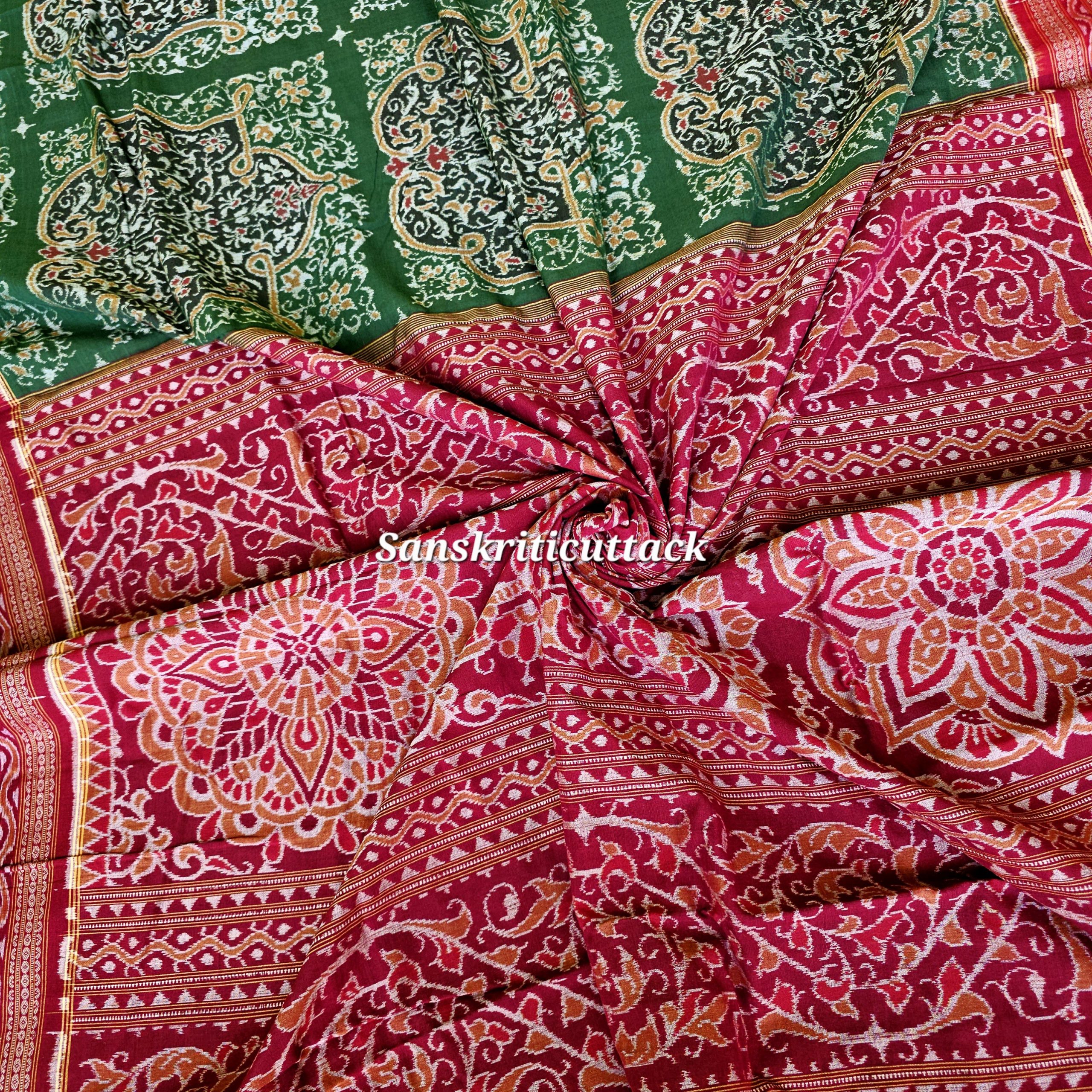
An Ikat saree does not begin on a loom. It begins with imagination, mathematics, and remarkable patience. Each design forms long before weaving starts, and artisans calculate every motif with precise thread counts. They visualize patterns without seeing the final fabric, which makes the Ikat saree weaving process deeply technical and artistic. One small error can disrupt the entire design, so every stage builds toward flawless alignment. This precision explains why the creation takes months instead of days. At Sanskriti Cuttack, we celebrate this dedication through collections that reflect Odisha’s living textile heritage. Each saree carries a story shaped by discipline, tradition, and devotion.
Shop with Us Here
Find Your Perfect Odisha Handloom Sarees Here
Grab Your Tussar Silk Sarees Now
Shop Now for Luxurious Silk Sarees
Experience the Elegance of Khandua Sarees Here
Discover Our Impressive Ikat Saree Collection Now
Browse Exquisite Sambalpuri Sarees Here
Upgrade Your Wardrobe with Trendy Kotpad Sarees
Shop Exclusive Dolabedi Sarees Now
Understanding the Ikat Dyeing Technique
Ikat differs from printed textiles in a fundamental way because artisans dye the threads before weaving begins. They tie sections of yarn using resist techniques that prevent dye from reaching specific areas. This process creates intricate patterns directly on the threads rather than on the surface of finished fabric. Once artisans weave those dyed threads, the motifs emerge with striking clarity and depth.
In Sambalpuri Ikat sarees, artisans often practice double Ikat, which requires dyeing both warp and weft threads. They must align these threads perfectly during weaving to reveal symmetrical patterns. Even slight misalignment disturbs the final design, which increases production time significantly. However, this complexity enhances artistic value and makes every handwoven saree Odisha produces truly unique.
The Mathematics Behind Sambalpuri Bandha Kala
Sambalpuri Ikat represents Odisha’s iconic Bandha Kala tradition, where art meets geometry. Weavers calculate thread placements carefully before tying knots, and they depend on experience instead of printed templates. Months of preparation can pass before the weaving even begins. Artisans memorize complex layout structures and repeat tying and dyeing cycles multiple times for each color.
Each color layer demands separate tying sessions, followed by dyeing and thorough drying. Natural and azo free dyes require careful handling, and sunlight conditions influence drying speed. Weather changes can delay production, which further extends timelines. This detailed preparation defines authentic handloom sarees and separates genuine Ikat from machine made replicas.
Why One Saree Can Take Months
The timeline of an Ikat saree surprises many people who expect quick production. Preparation alone often takes several weeks because artisans must select high quality threads suited for intricate dyeing. Pure cotton and silk react differently during the Ikat dyeing technique, so weavers adjust their approach carefully.
Tying thousands of tiny knots demands steady hands and consistent tension. Artisans recheck every tied section repeatedly to avoid errors. Dyeing happens in multiple stages, and each stage requires complete drying before retieing begins. This cycle may repeat several times depending on color complexity.
Once preparation finishes, weaving begins slowly and deliberately. The weaver aligns dyed threads precisely on the loom to ensure perfect motif placement. The loom moves at a controlled pace to preserve pattern clarity. One mistake can waste months of effort, so artisans maintain intense focus throughout the process.
Sambalpuri Ikat and Odisha’s Cultural Identity
Sambalpuri Ikat represents more than fashion because it reflects Odisha’s cultural identity. Traditional motifs such as shankha, chakra, and floral forms symbolize spirituality and prosperity. These designs connect wearers to heritage while maintaining timeless elegance.
Weaving skills pass across generations in many families, and children grow up observing looms at home. Weaving becomes both livelihood and identity within these communities. Supporting authentic Odisha handloom protects this ecosystem and preserves knowledge that machines cannot replicate. At Sanskriti Cuttack, we collaborate with skilled artisans and showcase original Sambalpuri cotton saree online collections that honor traditional craftsmanship.
Handloom vs Powerloom: The Real Difference
Many shoppers confuse printed sarees with genuine Ikat, yet the difference remains significant. Machine printed textiles imitate patterns only on the surface, while authentic Ikat dyes individual threads before weaving. Handloom Ikat displays similar clarity on both sides of the fabric, which signals authenticity. Threads form motifs naturally instead of relying on surface ink.
Handwoven sarees feel breathable and soft, which makes them suitable for Indian climates. Choosing pure handloom saree India collections supports sustainable fashion and reduces environmental impact compared to industrial production. Slow fashion values craftsmanship over mass manufacturing, and Ikat naturally aligns with this movement.
The Emotional Value of Handmade Textiles
Every Ikat saree carries the human touch of its maker. Artisans invest time, emotion, and experience into each border and pallu. When you drape authentic Ikat, you wear a piece of heritage shaped by months of dedication. Unlike fast fashion garments, handmade cotton saree designs age gracefully and grow softer with use. Colors mature beautifully over time, which enhances their appeal.
This emotional connection transforms how people perceive traditional Indian handloom saree creations. The value extends beyond appearance because it represents patience and artistry woven into fabric.
How to Identify Authentic Sambalpuri Ikat
Buyers often want clear ways to verify authenticity. You should examine both sides of the saree because true Ikat shows consistent pattern clarity on the reverse. Slight irregularities often appear in handmade textiles, and those subtle differences confirm human craftsmanship.
Careful inspection of edges and finishing also helps identify pure handloom saree India products. Trusted platforms like Sanskriti Cuttack provide transparent information about artisan involvement and weaving techniques, which strengthens buyer confidence.
Why Ikat Appeals to Modern Fashion Lovers
Contemporary wardrobes embrace heritage fabrics confidently because they blend tradition with modern styling. Designers pair Sambalpuri Ikat sarees with contemporary blouses, belts, and minimal jewelry. Young professionals choose breathable fabrics for long workdays, and Ikat suits these needs beautifully.
Bold geometric patterns create elegant yet statement looks. Fashion communities promote sustainable saree brand options actively, and consumers increasingly search for slow fashion India alternatives. Ikat satisfies both style preferences and ethical values, which increases its popularity across age groups.
Caring for Your Handwoven Ikat Saree
Proper care ensures long lasting beauty. Wash cotton Ikat gently in cold water using mild detergent. Avoid soaking for extended periods because excessive moisture may weaken fibers. Dry the saree in shade to protect vibrant colors from harsh sunlight. Iron on medium heat while the fabric remains slightly damp.
Silk Ikat requires professional dry cleaning for best results. Store sarees in breathable cotton bags and avoid plastic covers that trap moisture. These simple steps preserve texture, color intensity, and overall durability.
Why Sanskriti Cuttack Celebrates Authentic Ikat
Sanskriti Cuttack curates genuine Sambalpuri Ikat sarees crafted by skilled artisans. We prioritize quality over mass production and highlight weaving excellence rooted in Odisha handloom traditions. Explore our Sambalpuri Ikat Saree Collection to discover authentic craftsmanship. Browse elegant pieces under Handwoven Cotton Sarees for everyday grace. Experience refined artistry in our Pure Silk Ikat Sarees category for special occasions.
Each saree reflects cultural pride and sustainable values. We collaborate directly with weaving families to ensure fair compensation and consistent quality. Our mission focuses on reviving appreciation for handcrafted textiles while making authentic Ikat saree online searches meaningful and reliable.
The Rising Demand for Sustainable Sarees
Consumers increasingly prefer ethical fashion that supports artisans and protects the environment. Search trends reveal growing interest in sustainable saree brands and authentic Ikat saree online options. Educational content about the Ikat saree weaving process builds awareness and trust among readers.
Handloom products naturally meet modern sustainability expectations because they use less industrial energy and promote rural employment. Choosing an artisan woven saree reflects conscious lifestyle choices that prioritize craftsmanship and cultural preservation.
Frequently Asked Questions
Why does an Ikat saree take months to make?
Ikat requires repeated tying and dyeing stages before weaving. Double Ikat demands precise warp and weft alignment, which extends production time.
Is Sambalpuri Ikat different from other Ikat styles?
Yes, Sambalpuri Ikat features intricate Bandha Kala techniques and symbolic motifs unique to Odisha handloom traditions.
How can I verify a pure handloom Ikat saree?
Check for similar pattern clarity on both sides and observe slight human variations in design alignment.
Are handwoven cotton sarees durable?
Yes, they soften with use and last for years when maintained properly.
Where can I explore authentic Sambalpuri Ikat online?
You can visit Sanskriti Cuttack to browse curated collections crafted by skilled artisans.
Double Ikat saree, bandha kala, Odisha handloom, Ikat dyeing technique, handmade cotton saree, pure handloom saree India, artisan woven saree, slow fashion India, sustainable saree brand, Sambalpuri cotton saree online, Ikat saree weaving process, Sambalpuri Ikat saree, handwoven saree Odisha, authentic Ikat saree online, traditional Indian handloom saree
Ikat represents patience woven into fabric and tradition preserved through generations. When you understand the months of preparation behind each motif, you appreciate its depth differently. Every thread reflects precision, heritage, and artistry that machines cannot replicate. That awareness transforms how you value handcrafted textiles forever.
